

In partnership with

Welcome to this week’s issue of The AI Space Podcast Newsletter. As AI adoption accelerates in 2026, The AI Space Podcast | Season 2 | Episode 6 is now live.
In this episode of The AI Space Podcast, Sanjay Kalluvilayil sits down with Akshay Mittal, AI researcher and technologist, to explore how enterprise AI is moving beyond hype into production-ready systems that prioritize security, reliability, and explainability.
Akshay shares why the next wave of AI innovation is centered on AI-augmented DevSecOps, where security and compliance are embedded directly into the software development pipeline. Instead of reacting to incidents after deployment, organizations can now use AI to predict vulnerabilities, flag risky code in real time, and maintain continuous compliance.
The conversation also dives into AgentOps and autonomous remediation, highlighting how LLM-powered agents can analyze logs, identify root causes of outages, and propose fixes in minutes rather than hours. Akshay emphasizes that real-world success requires infrastructure discipline, particularly in Kubernetes-based environments where scalability and reliability are non-negotiable.
A major theme throughout the episode is explainable and secure AI. As AI systems increasingly operate in regulated industries like finance, black-box decisions and hallucinations are unacceptable. Akshay explains why human-readable reasoning, validation layers, and governance frameworks are essential for building trust and scaling responsibly.
The episode closes with practical guidance for founders and business leaders: sell outcomes, not algorithms; focus on measurable pain points; and invest in community-driven learning to close both the talent gap and the trust gap slowing AI adoption.
The Future of Enterprise AI Is Human-Guided, Explainable AI Systems
Humans + AI + Agents + DevSecOps + Cloud Infrastructure + Explainability
Expect practical, real-world insights you can apply immediately to strengthen security, reduce operational drag, and scale your business with clarity, accountability, and intent.
Thank you for being part of the community.
Sanjay Kalluvilayil
Creator & Host
The AI Space Podcast
Thanks for subscribing and engaging with The AI Space Podcast Newsletter! You’re receiving this because you signed up through one of our channels or engaged with our podcast, content, company, or creator.
You are welcome to explore this FREE newsletter or you can unsubscribe at anytime in the preferences at the bottom of this newsletter.
If someone forwarded this to you, subscribe here.
EVENT LAUNCH - NETWORKING & LIVE PODCAST
[IN-PERSON]
Thursday, January 29, 2026

EVENT LAUNCH - NETWORKING & LIVE PODCAST
[VIRTUAL]

This Week’s Conversation:
Architecting Self-Healing Enterprise Operations:
AI + DevSecOps | Akshay Mittal | SW Engineer | 4K|
💡Episode #6 - Executive Summary
Akshay Mittal, AI researcher and PayPal technical staff engineer, breaks down the shift from flashy AI demos to enterprise-grade systems that prevent failures before they happen. This is what AI looks like when billions of dollars are on the line, and the lessons apply whether you're running PayPal or a 10-person startup. Akshay explains why AI-augmented DevSecOps is the next frontier, embedding security and compliance directly into the development pipeline so risky code and vulnerabilities are flagged before deployment, not after disasters. In 2026, the best teams aren't just moving fast; they're letting AI catch what breaks before it ever ships.
He also shares how AgentOps is evolving beyond chatbots into autonomous remediation, where AI agents analyze outages, diagnose root causes, and propose fixes in minutes instead of engineers spending hours buried in logs. But here's the reality check: scaling these agentic workflows requires serious infrastructure discipline, especially in Kubernetes environments. This isn't plug-and-play. It's next-level operational maturity.
Akshay makes the case for explainable and secure AI as non-negotiable in high-stakes industries like finance. When systems flag transactions or security events, black-box decisions and hallucinations are deal-breakers. Trust, compliance, and human-readable reasoning aren't nice-to-haves. They're what separate real AI teams from pretenders in 2026.
INSIGHT #1
AI-Augmented DevSecOps (Predictive Security)
Security moves upstream into the software development pipeline. Instead of reacting after incidents, AI helps flag risky code in real time, predict vulnerabilities before deployment, and support continuous compliance. He describes research work leveraging retrieval-augmented generation to improve detection and remediation while maintaining delivery velocity.
INSIGHT #2
AgentOps and Autonomous Remediation
The industry is moving beyond chatbots toward AI agents that coordinate complex infrastructure tasks. He highlights LLM-based root cause analysis that can parse logs, diagnose outages, and propose fixes, reducing hours of manual work into minutes. A key focus is making agentic workflows scalable and reliable in real-world environments like Kubernetes.
INSIGHT #3
Explainable and Secure AI (XAI) as Non-Negotiable
As AI moves deeper into regulated and high-stakes environments, black-box outputs are not acceptable. Akshay emphasizes explainability for trust, compliance, and adoption, especially in finance and security. He discusses work on mitigating hallucinations and producing human-readable reasoning behind AI decisions.
Write like a founder, faster

When the calendar is full, fast, clear comms matter. Wispr Flow lets founders dictate high-quality investor notes, hiring messages, and daily rundowns and get paste-ready writing instantly. It keeps your voice and the nuance you rely on for strategic messages while removing filler and cleaning punctuation. Save repeated snippets to scale consistent leadership communications. Works across Mac, Windows, and iPhone. Try Wispr Flow for founders.
🛡️Key Frameworks, Risks & Concepts
Enterprise AI, DevSecOps, AgentOps, and Explainable Systems
AgentOps & Autonomous Remediation
LLM-powered agents that analyze logs, diagnose root causes, and propose or execute fixes, reducing incident response from hours to minutes.
AI-Augmented DevSecOps
Predictive security embedded directly into the software development pipeline to identify risky code, vulnerabilities, and compliance issues before deployment.
Cloud-Native AI Architecture
Kubernetes-based infrastructure enabling scalable, reproducible, and production-ready AI and agentic workflows.
Explainable AI (XAI)
Transparent, human-readable reasoning for AI decisions, especially critical in regulated and high-risk environments like finance and security.
Human-Guided AI Systems
AI is used to reduce manual effort and accelerate decision-making while keeping humans accountable for intent, policy, and final decisions.
Risk of Black-Box Automation
Blind automation without explainability or validation increases operational and compliance risk rather than reducing it, leading to legal and financial ramifications.
Self-Healing Infrastructure
Systems designed not just to alert on failures, but to automatically correct issues within defined policies and guardrails.
Trust, Compliance & Governance
Continuous enforcement of standards through AI-driven validation embedded into Continuous Integration / Continuous Delivery (CI/CD) pipelines.
AI for Business Growth, Sales, and Commercialization
Sell Outcomes, Not Algorithms
Successful AI adoption and commercialization focus on solving a specific, measurable business problem. AI creates value when it clearly reduces cost, risk, or time, not when it is positioned as a standalone technology.
Automate Core Bottlenecks First
AI drives growth when applied to critical workflows that limit scale, such as security validation, infrastructure reliability, and incident response, rather than peripheral or “nice-to-have” tasks.
Scale Trust Before Scaling Revenue
Growth in regulated and enterprise environments depends on explainability, compliance, and reliability. AI systems must earn trust through transparent decision-making and guardrails before they can scale commercially.
Reduce Time-to-Value
AI enables teams to compress months of work into days or hours by accelerating analysis, automation, and remediation, unlocking faster execution and capital efficiency.
Enable People to Scale the Business
AI acts as a force multiplier for teams by reducing manual effort, supporting decision-making, and increasing operational leverage without sacrificing accountability.
Enterprise-Ready AI Wins Deals
Buyers prioritize security, governance, and operational maturity. AI systems that integrate cleanly into existing infrastructure and workflows are more likely to succeed commercially.
AI Risks and Responsible Use
Black-Box Decision Risk
AI systems that cannot explain why a decision was made create unacceptable risk in regulated and high-stakes environments. Explainability is essential for trust, auditability, and accountability.
Compliance and Regulatory Risk
AI used in enterprise and financial environments must continuously enforce standards such as PCI DSS and SOC 2. Responsibility means embedding compliance into workflows, not treating it as an afterthought.
Hallucinations and Reliability
LLM hallucinations pose serious risk when AI is used for security, financial, or infrastructure decisions. Responsible use requires validation layers, confidence checks, and external verification.
Human Accountability
AI supports decisions but does not replace ownership. Humans remain responsible for outcomes, escalation paths, and final judgment.
Over-Automation Without Guardrails
Autonomous systems without clearly defined policies can amplify errors at scale. AI should operate within predefined boundaries, especially when remediation or corrective actions are involved.
Security and Data Exposure
AI systems are only as ethical as the security protecting them. Vulnerable pipelines or leaked data undermine both trust and responsibility.
Leadership and Mindset for the AI Era
Build with Discipline, Not Just Speed
This episode highlights that real progress with AI comes from knowing where automation adds leverage and where careful design is required. AI can dramatically accelerate analysis and remediation, but leaders must stay methodical when it comes to security, compliance, and governance, especially in high-stakes and regulated environments.
People and Community Still Scale Impact
The conversation reinforces that technology alone does not scale organizations. Leaders who invest in community, mentorship, and knowledge-sharing build stronger teams and more resilient systems, ensuring AI becomes a force multiplier for people rather than a replacement for human leadership.
Stay Curious, Stay Accountable
Akshay emphasizes a mindset of continuous learning, experimentation, and humility. As AI evolves rapidly, leaders remain relevant by staying curious, engaging with research and community, and taking responsibility for outcomes rather than deferring judgment to black-box systems.
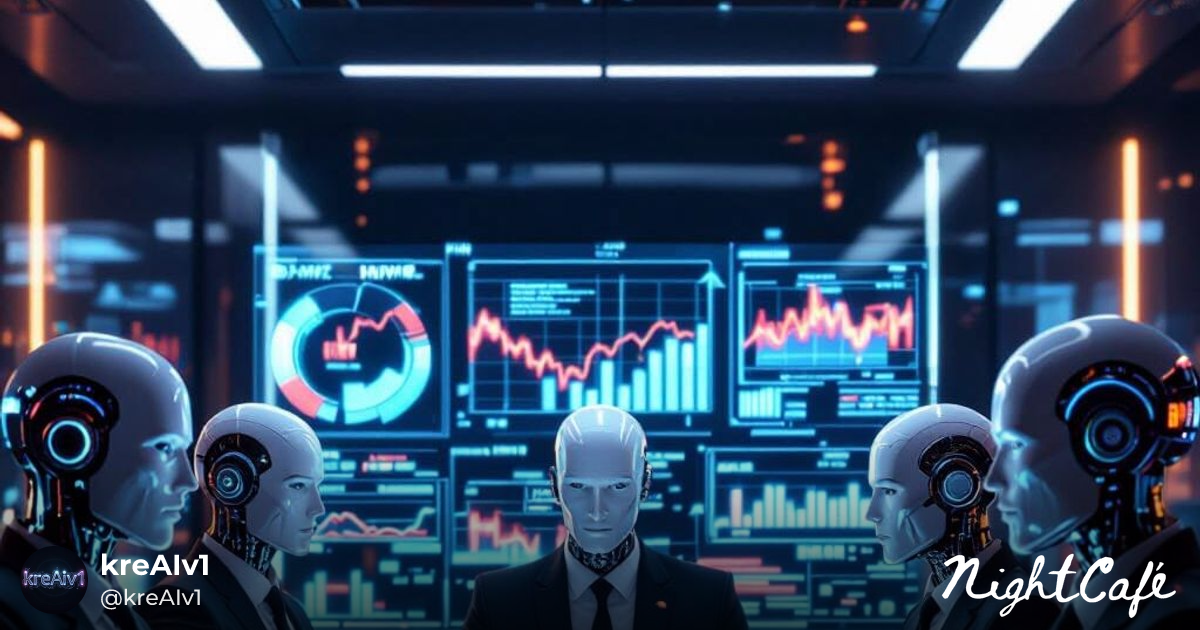
AI Creativity: Image & Video Generation

🌐Resources & Platforms Mentioned
Platforms & Companies
Charles Schwab
Referenced as a prior environment where AI-driven automation and infrastructure modernization compressed multi-year migrations into months, delivering measurable cost and risk reduction.
Home Depot
Cited as an enterprise example where automation and AI were applied to streamline complex operational workflows and reduce manual effort.
PayPal
Referenced as Akshay Mittal’s current environment, where AI secures APIs, improves developer experience, and protects tens of millions of daily financial transactions under strict compliance requirements.
AI, Cloud & MLOps Stack
CI/CD Pipelines
Continuous Integration and Continuous Delivery (CI/CD) is referenced as the critical integration point where AI-driven security, validation, and compliance are embedded early to prevent defects and risk from scaling.
Kubeflow
Discussed as a core MLOps framework for managing model deployment, versioning, monitoring, and reproducibility in production environments.
KServe
Mentioned as part of the inference layer required to reliably serve AI models at scale within Kubernetes-native systems.
Kubernetes
Described as the de facto operating system for modern enterprise AI and agentic workflows, enabling scalability and operational reliability.
LangChain
Referenced as a framework for connecting LLMs to tools, APIs, and workflows to enable agent-based reasoning and action.
LlamaIndex
Mentioned as a way to ground LLMs in structured and unstructured data sources, improving relevance and reliability.
MLOps & AgentOps
Discussed as the operational backbone for deploying, monitoring, governing, and scaling AI models and autonomous agents.
Open Policy Agent
Referenced in the context of enforcing security and compliance rules as code, enhanced by AI-driven validation inside pipelines.
Retrieval-Augmented Generation (RAG)
Referenced as a core architectural pattern in Akshay’s research to improve detection accuracy and reduce hallucinations by grounding AI outputs in retrieved data.
AI Models & Developer Tools
ByteRover
Referenced as a tool that preserves long-term conversational and project context, reducing loss of continuity during extended AI workflows.
ChatGPT
Mentioned as a general-purpose LLM used for reasoning, prompting, and experimentation.
Claude
Highlighted as a preferred model for structured reasoning and coding tasks in developer workflows.
Claude Code
Discussed as a CLI-based workflow that integrates Claude directly into development environments using structured context files.
Cursor
Highlighted as an actively used AI-native IDE for iterative development and code refinement.
Gemini
Referenced in the context of evolving LLM capabilities and comparative performance across models.
GitHub Copilot
Mentioned as one of several AI-assisted coding tools used to accelerate development and reduce manual effort.
NightCafe
Referenced as a creative AI tool used to test and compare image-generation models when producing podcast visuals and media assets.
NotebookLM
Mentioned as a tool for synthesizing notes, documents, and research into usable insights.
Perplexity
Referenced as a research and retrieval tool used to improve accuracy and context during analysis.
Compliance & Governance
Explainable AI (XAI)
Central to the episode, discussed as essential for understanding why AI systems flag risks, make decisions, or trigger remediation.
Hallucination Mitigation Frameworks
Referenced through Akshay’s research on reducing unreliable or fabricated AI outputs using internal and external validation.
PCI DSS
Mentioned as a non-negotiable compliance requirement for AI systems operating in financial and payment environments.
Shift-Left Security
Discussed as embedding AI-driven security and compliance earlier in the development lifecycle to prevent risk from reaching production.
SOC 2
Service Organization Control 2 (SOC 2) is referenced as a core trust and security framework that AI systems must continuously meet.
Communities & Ecosystem
ACM Austin Chapter
Mentioned as a community Akshay founded to bring practitioners together around AI, cloud, and security topics.
AI Collective
Referenced as a local community focused on real-world AI adoption, founder education, and applied use cases.
Association for Computing Machinery
Referenced as a global organization supporting research, knowledge sharing, and academic–industry collaboration.
Kubernetes Austin
Mentioned as a technical community centered on cloud-native infrastructure and scalable systems.
MassChallenge
Referenced in the context of judging startups and observing that successful companies sell outcomes, not AI hype.
Staying Relevant in an AI-First Enterprise
This episode reinforces that staying relevant in an AI-first enterprise is not about chasing bigger models or unchecked automation, but about embedding intelligence where it reduces risk and strengthens core operations. The leaders who succeed use AI as a decision-support layer, pairing human judgment with systems that detect issues earlier, accelerate root-cause analysis, and scale reliability across complex environments.
In security, infrastructure, and regulated domains, AI creates the most value when it improves visibility and prevention while humans remain accountable for outcomes. In 2026, relevance will belong to organizations that balance experimentation with discipline, build explainable and secure systems, and use AI to reinforce trust, quality, and operational fundamentals rather than replace them.
White Papers
AUTOMATED REMEDIATION
HALLUCINATIONS
Education & Certifications
Want to get started with AI the right way? These learning resources help you build strong fundamentals, develop practical skills, and apply AI with confidence.


FEATURED PLAYLISTS
🎙Why The AI Space Podcast?
If you’re new here, this playlist explains Guest motivation for sharing their journey to AI and insights on this show. We focus on practical conversations with founders, operators, and investors who are building real AI businesses and systems, not just discussing the hottest trends and moving beyond the AI hype.
👉Watch the “Why The AI Space Podcast?” playlist on YouTube.
Explore, Watch, & Subscribe on your Favorite Platforms & Social Media
👉Watch curated playlists on YouTube.
🎬Binge on Season 1.
🎧Listen on your favorite platforms like Spotify & Apple
Turn AI Into Your Income Stream

The AI economy is booming, and smart entrepreneurs are already profiting. Subscribe to Mindstream and get instant access to 200+ proven strategies to monetize AI tools like ChatGPT, Midjourney, and more. From content creation to automation services, discover actionable ways to build your AI-powered income. No coding required, just practical strategies that work.
🧠Poll - AI Tools & Workflows
AI at scale fails most often because of…
We will share the best responses in the next issue.
Last Week’s Poll Results: What the Community Values Most in AI
Where Does AI Create the Most Real Value in Your Organization?
🟨🟨🟨⬜️⬜️⬜️ Human-in-the-loop decision support (1)
🟩🟩🟩🟩🟩🟩 Predictive insights to prevent issues before they happen (2)
⬜️⬜️⬜️⬜️⬜️⬜️ Faster preparation and execution (research, planning, rehearsals) (0)
⬜️⬜️⬜️⬜️⬜️⬜️ Automation of repetitive operational tasks (0)
⬜️⬜️⬜️⬜️⬜️⬜️ We’re still figuring out where AI fits (0)
Community Insight: This week, predictive insights to prevent issues before they happen clearly led the conversation, with 66.7% of respondents prioritizing AI’s ability to anticipate risk and stop problems before they escalate.
Human-in-the-loop decision support followed at 33.3%, reinforcing that the community still values AI as an intelligence layer that supports judgment rather than replacing it.
Notably, automation, faster preparation, and execution received no votes this week, suggesting a shift away from surface-level efficiency gains toward AI systems that proactively reduce risk and improve reliability.
🥇Sponsorships & Partnerships
👉 Partner with us! Explore Sponsorships and Schedule an intro call now:
💲Affiliate & Referral Programs
👉 Use the affiliate or referral links to unlock discounts, promos, or special access as you explore AI apps and tools.
PROMOTIONS -STONEHAAS ADVISORS
🌐Connect with Sanjay Kalluvilayil
🌐 Learn more about Stonehaas Advisors
🔗Follow Stonehaas Advisors on LinkedIn
📅 Schedule a FREE Strategy Session
Go from AI overwhelmed to AI savvy professional

AI will eliminate 300 million jobs in the next 5 years.
Yours doesn't have to be one of them.
Here's how to future-proof your career:
Join the Superhuman AI newsletter - read by 1M+ professionals
Learn AI skills in 3 mins a day
Become the AI expert on your team
FAQ
Why am I getting this newsletter?
You are on this list because you have previously subscribed to or interacted with our content. You may have joined through the podcast, our website, or one of our previous updates.
How often is the newsletter published?
Weekly
Where can I listen to episodes?
Anywhere you listen to podcasts.
What topics are covered in each episode?
Each episode separates signal from noise, exploring the latest AI developments and the vision, strategy, and mindset required to scale a business and thrive in life and work. Guests share how to architect the AI tech stack, apply proven methodologies, leverage practical tools, and strengthen sales, marketing, and operations by building intelligent systems.
The show explores how to grow and scale a business with AI. Beyond the strategy and technology aspects, we explore the human dimension of AI. Topics include the future of work, shifts in labor markets, utopian and dystopian scenarios, the role of purpose in an AI-enabled world, and the long-term impact of intelligent systems on society and culture.
Beyond AI and tech, what other topics do you cover?
The AI Space Podcast is building a movement and a community focused on creating value, driving economic impact, and shaping an AI-powered future that is ethical, responsible, and beneficial for business and society.
Who is this podcast for?
The result is a high-signal, zero-hype platform offering practical insights, technical clarity, and thoughtful perspectives leaders can apply as they build confidently in The AI Space. The podcast is dedicated to helping founders, innovators, technologists, and innovators to create a lasting and positive legacy in a rapidly transforming world.
Do you discuss democratization, ethical & responsible AI?
We cover democratization, ethical responsible AI, governance models, and guardrails that promote safe and transparent deployment. We also explore Utopian vs. Dystopian scenarios, balancing the risks and benefits to reduce unintended impact on humanity.
How do I manage my subscription?
Use the e-mail Preferences link in the footer to update your e-mail settings or unsubscribe at any time.
Until the next episode, Space Cowboy!
The AI Space Podcast